
Biomarkers,
from beginning to end.
Most biomarker experts specialize in one piece of the puzzle.
The lab scientist perfects sample prep. The bioinformatician builds algorithms. The clinician designs protocols.
I'm the person who sees how all the pieces fit together—and where they don't.
Problem with "Focus"
Early in my career as a clinical scientist, my boss constantly reminded me: "Focus, focus Josie..."
His advice? Zone in on one specific part of the development process.
But I couldn't. Not when I could see so many other parts clearly weren't functioning correctly—parts that would ultimately derail our results.
Every self-respecting scientist knows you can't diagnose cancer by focusing on just one part of the slide, I thought. Surely processes work the same way?
Twenty Years of Connecting the Dots
Instead of narrowing my focus, I went the opposite direction. I became obsessed with understanding the entire biomarker development process:
Clinical foundations: 10 years as a clinical cytogeneticist in UK hospital labs, diagnosing cancers and genetic disorders while building next-generation sequencing platforms.
Academic depth: PhD research on brain tumor biomarkers at University of Leeds and Harvard Medical School, learning everything from sample collection to computational analysis.
Industry reality: Translational medicine leadership at Revolution Medicines, scaling biomarker strategies across multiple drug programs.
Startup agility: Working with small biotechs where every decision and every dollar counts.
At each step, I surrounded myself with experts. I visited labs across continents. I learned to code. I worked with every type of biomarker and omics data.
The Moment It All Clicked
During a presentation at Leeds' new Genome Sequencing Centre, I noticed something no one else caught:
The lab team assumed they needed RNA fragments of 24 base pairs. The bioinformaticians were looking for 70-80 base pairs.
Nobody else in the room could see the disconnect. They were all experts—but specialized in just one part of the process.
That's when I realized my "lack of focus" was actually my greatest strength.
Why This Matters for Your Program
Most biomarker failures happen at the interfaces—where the lab meets the clinic, where data meets decisions, where strategy meets execution.
I prevent costly failures by spotting these gaps before they become crises:
The busy clinical lab that accidentally leaves samples in the wrong temperature
The miscommunication between teams that derails timeline-critical readouts
The protocol that looks perfect on paper but falls apart in real-world execution
The biomarker strategy that generates data at the wrong time for your milestones
My 360° Advantage
There's huge value in being a niche expert.
But there's also huge value in having firsthand experience across the entire biomarker ecosystem—from clinic to academia to industry, across countries and continents, with every type of biomarker and omics approach.
The whole process is my niche.
This perspective allows me to optimize and streamline in ways that single-focus experts simply can't. I create solutions that work not just in theory, but in the messy reality of drug development.
Hayes Biomarker Consulting
Everything I've learned over 20+ years is packed into one mission: helping small biotech and pharma companies get their biomarker strategy right the first time.
No cookie-cutter plans. No oversized teams. No expensive mistakes.
Just strategic, tailored guidance that transforms biomarker uncertainty into competitive advantage.
Because your translational success depends not on perfect individual pieces, but on how well those pieces work together.
My Story: Why I Don't Do "Focus"
Dr. Hayes is able to communicate and set expectations with leadership that are realistic while also maintaining novel and more exploratory research. Her extensive knowledge of biomarker platforms and evidence based decision making helps develop robust biomarker strategies.
Associate Director, Translational Medicine, Mid-size pharma
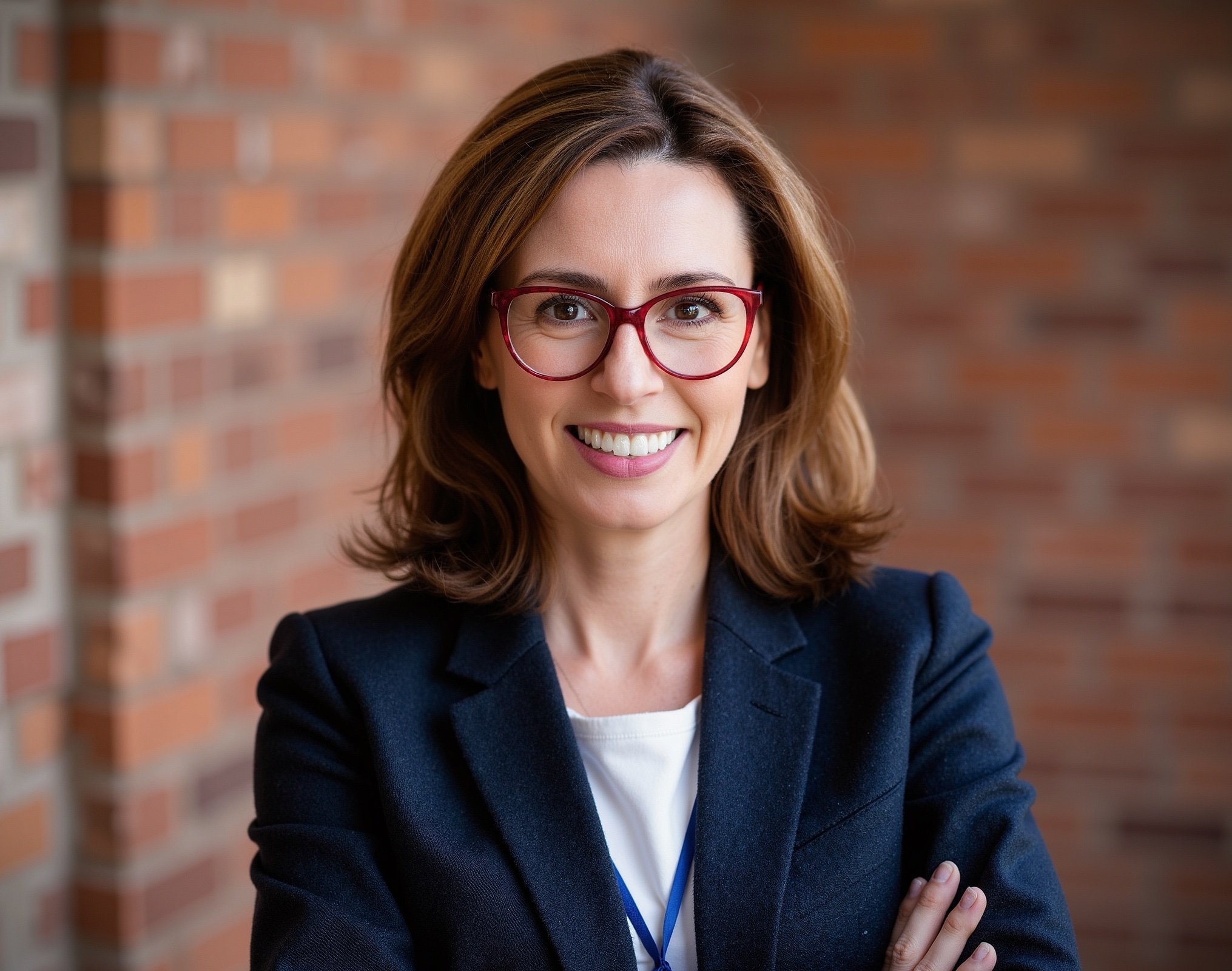
Dr Hayes lives in Waltham, MA and is available to discuss biomarker strategy with companies on a global scale.
‘Josie’s work is thorough, timely, and high quality’
Director, Translational Oncology, Large pharma co.

Qualifications
B.Sc. Genetics, University of Leeds
M.Res. Bioinformatics, University of Leeds
PhD Medicine and Health, University of Leeds & Harvard Medical School
Postdoctoral studies at UC, San Francisco and UC, Berkeley